
Dubai Loop: Everything You Need to Know About Elon Musk's Underground Transit Project in Dubai

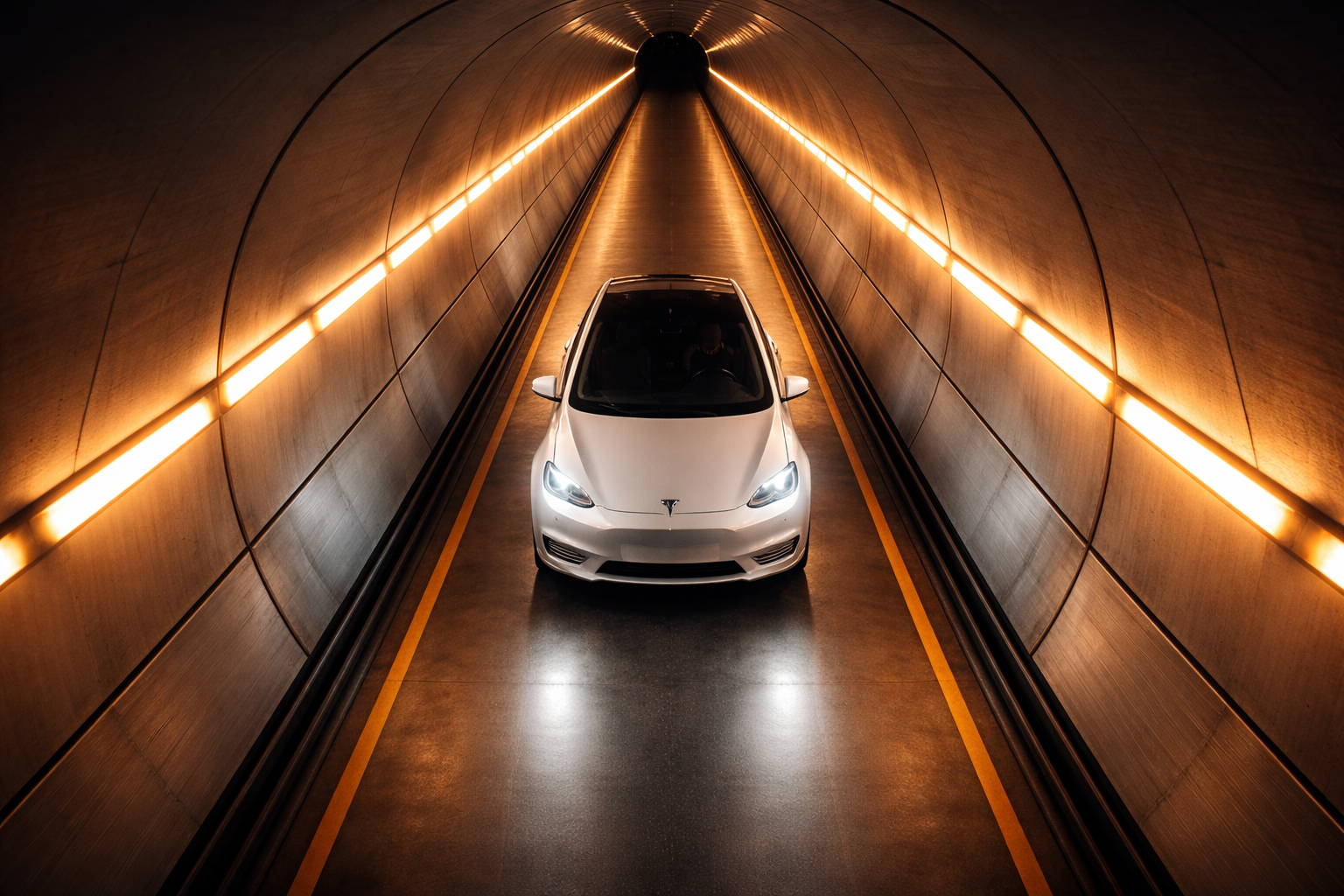
Dubai has always been a city that builds what others only dream of. The Dubai Loop is the latest proof of that. Announced at the 2025 World Governments Summit and confirmed with four pilot stations at the 2026 summit, it is one of the most talked-about urban mobility projects in the world right now, and arguably the most consequential infrastructure decision Dubai has made since the Metro.
For residents, investors, and anyone considering a move to Dubai, understanding what this project is, how it works, and what it means for daily life is no longer optional background knowledge. It is becoming central to how the city moves, where people want to live, and how Dubai positions itself globally.
What Is the Dubai Loop?
The Dubai Loop is an underground transit system developed through a partnership between Dubai's Roads and Transport Authority (RTA) and Elon Musk's The Boring Company. As a form of underground transit, Dubai is positioning itself ahead of every other city in the region by adopting technology that most metropolises are still debating in theory. The project connects major business and tourism hubs through narrow underground tunnels, using electric vehicle pods that carry passengers directly to their destination without any intermediate stops.
That last point is what makes it fundamentally different from existing public transport. This is not a metro where you ride from station to station. Think of it as a private ride that happens to travel underground at up to 160 km/h. Musk described the experience at the World Governments Summit in his own words: the journey will feel like going through a wormhole, arriving at one part of the city in what previously took 20 minutes, in around 3 minutes.
The project solves one of Dubai's most persistent and well-documented problems: gridlock in the city centre, particularly across the Downtown Dubai, DIFC, and Business Bay corridor.
The First Four Stations
At the 2026 World Governments Summit, RTA Director General Mattar Al Tayer confirmed the pilot route and its four inaugural stations:
- Burj Khalifa
- DIFC 2
- Zabeel Dubai Mall Parking
- ICD Brookfield Place
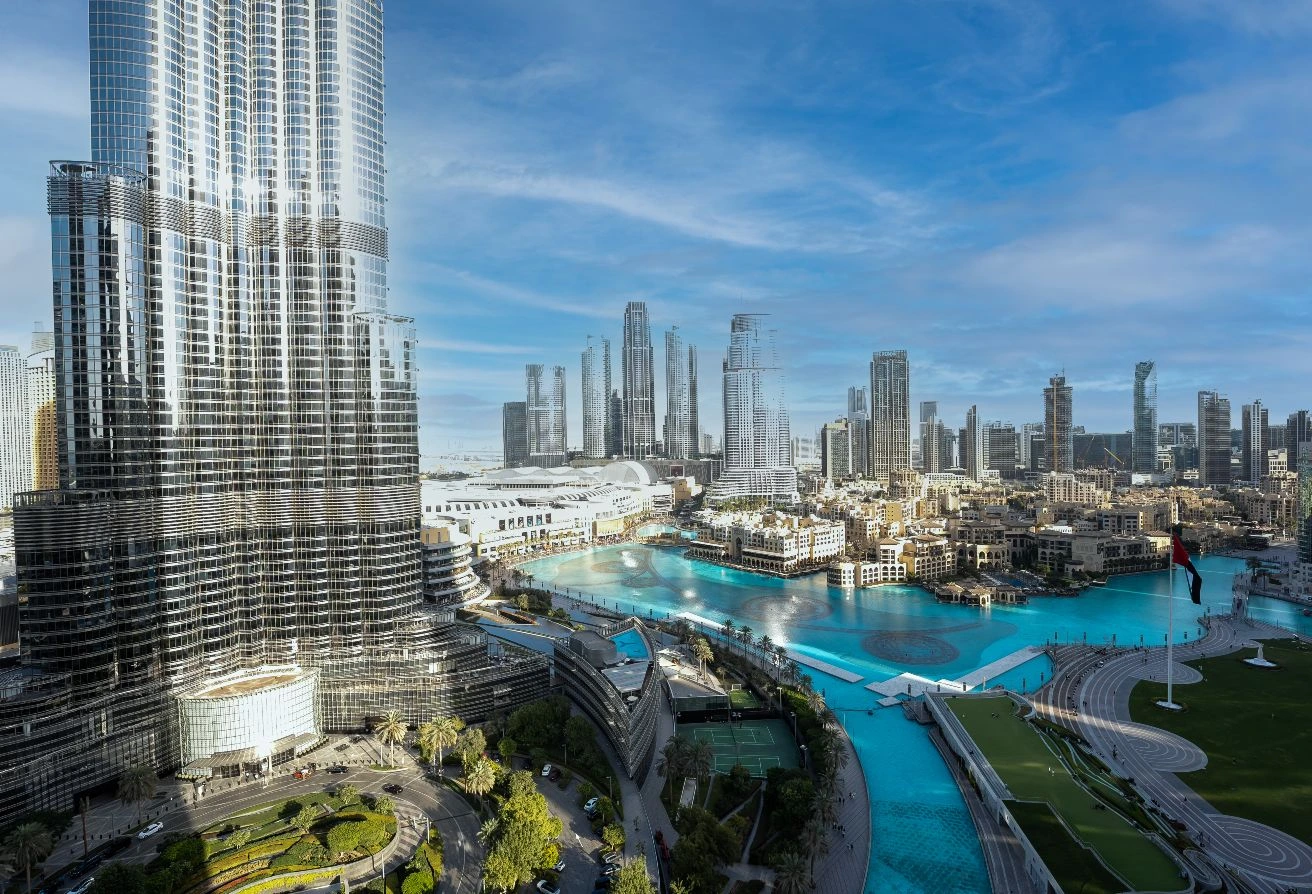
These four stations form a 6.4 km pilot route covering arguably the most congested corridor in the entire emirate, linking Dubai Mall, the heart of DIFC, and the Burj Khalifa area in a way that no existing transport option currently does efficiently.
For context, this is the route that commuters, tourists, and professionals navigate every single day. Traffic along this stretch during peak hours can turn a short distance into a 30 to 40 minute ordeal. The Loop makes it a 3 minute non-event.
How the Dubai Loop Works
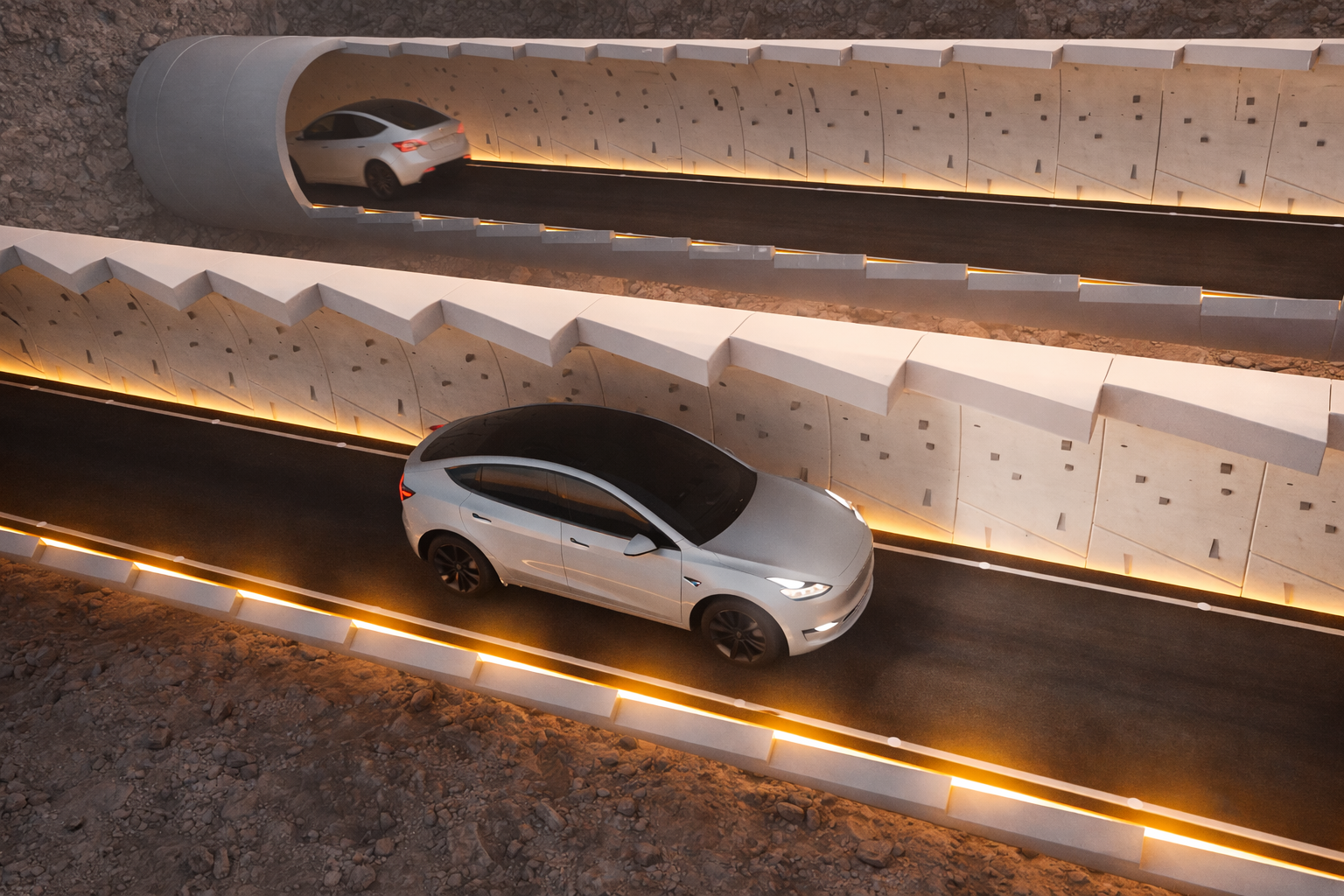
The technology itself is straightforward in concept and complex in execution. The tunnels have a diameter of just 3.6 metres, far narrower than a conventional metro tunnel, which allows them to be bored with less disruption to the surface, road networks, and existing utilities. This is one of the core advantages The Boring Company brings: speed and precision of construction with minimal above-ground impact.
Inside the tunnels, electric vehicle pods carry passengers directly from departure station to destination. No intermediate stops. No shared ride through stations you do not need. The experience is closer to summoning a private car than boarding a train.
Key Technical Specifications
- Speed: up to 160 km/h
- Tunnel diameter: 3.6 metres
- Zero emissions: fully electric
- Future phases: autonomous, driverless operation
- Weather resilient: underground tunnels unaffected by Dubai's extreme heat, sandstorms, or flooding
That weather resilience point deserves particular attention. Dubai's climate makes surface and above-ground transport unreliable at times. The April 2024 flooding event, which paralysed large parts of the city and exposed the vulnerability of road infrastructure, accelerated conversations around underground transport as a future-proof solution. The Loop's tunnels are being engineered with flood protection built in, and they are by design impervious to the sandstorms and temperatures that affect surface journeys year-round.
Unlike the Dubai Metro or bus network, the Loop is also designed to connect with the emirate's broader smart mobility vision, which includes air taxis and autonomous transport systems. It is being positioned as a component in a wider network, not a standalone line.
Full Project Scope and Timeline
The pilot phase is just the beginning. The confirmed full scope of the Dubai Loop project is significantly more expansive:
| Phase | Details | Timeline |
|---|---|---|
| Pilot Route | 6.4 km, 4 stations (Burj Khalifa, DIFC 2, Zabeel, ICD Brookfield) | Tunnelling targeted to begin H2 2026, expected one year to complete after design works |
| Full Expansion | 22.2 km, 19 stations across Business Bay, WTCF, Financial District | Post-2026 |
- Total route length: 22.2 km
- Total stations: 19
- Areas covered: Downtown Dubai, DIFC, Business Bay, Dubai World Trade Centre, Financial District
- Pilot daily capacity: approximately 13,000 passengers
- Full system daily capacity: 30,000 passengers
- Investment: AED 565 million for Phase 1 and AED 2 billion for the full project
Construction is being carried out using tunnelling methods specifically designed to minimise surface disruption, a critical consideration in a city centre that cannot afford extended road closures or utility outages.
The Boring Company's Track Record
Scepticism about bold infrastructure announcements is healthy, and the question of whether this will actually get built on time is a fair one. The Boring Company's most relevant reference point is the Las Vegas Convention Centre Loop, which has transported over 2 million passengers since opening in 2021. That project operates on the same principles: electric vehicles, narrow tunnels, point-to-point travel.
The Las Vegas project also experienced delays during development, which is worth acknowledging. However, the RTA's partnership with The Boring Company is backed by Dubai's full government weight and a clear political will at the highest levels.
Dubai's track record of delivering ambitious infrastructure on time, from the Metro to the Palm, also provides some reason for confidence that this project will not stall in the planning phase.
What Does This Mean for Dubai Real Estate?
Infrastructure and property values have always moved together, and Dubai Loop real estate is already a topic generating serious conversations among investors and buyers. Properties near confirmed Loop stations in DIFC, Downtown Dubai, and Business Bay are attracting heightened attention, particularly from investors looking at long-term capital appreciation.
The historical pattern is well established: proximity to transit hubs drives both rental yields and sale values, particularly in dense urban districts. For off-plan buyers, getting ahead of operational infrastructure has historically been one of the strongest value-creation strategies available in Dubai real estate.
Whether you are investing or looking to live near the route, the areas served by the pilot stations represent some of the most connected real estate in the city once the Loop is operational.
Looking to invest near a Dubai Loop station? Explore our area guides: Downtown Dubai | DIFC | Business Bay
What the Dubai Loop Actually Means If You Are Thinking of Moving Here
For anyone researching moving to Dubai, transport is usually one of the first practical concerns that comes up, and the Loop is now part of that conversation. Here is an honest look at what the Dubai Loop changes, what it does not, and what you should weigh up before factoring it into your decision.
Does It Solve the Car Problem? Partly.
One of the first things people notice when they arrive in Dubai is how car-dependent it is. Public transport exists, but it does not reach everywhere, and the summer heat makes anything that involves standing outside genuinely unpleasant. The Loop will cover one corridor of a very large city. If your workplace is in DIFC, Downtown, or Business Bay and you live nearby, it could meaningfully change your daily commute. If you are in JBR, Arabian Ranches, or Al Barsha, your life continues as before.
Where You Live Relative to the Route Will Matter More Than You Think
If you are still choosing a neighbourhood, this is worth factoring in. Properties near the confirmed Loop stations in Downtown and DIFC are already attracting more interest, which means higher rents and prices, but also better long-term connectivity and resale value. If budget is a priority and you are looking further out, wait to see the full 19-station route before writing off access to the system entirely. The expansion covers Business Bay and the World Trade Centre area too.
Nobody Knows What It Will Cost to Use Yet
This is an honest gap in what is publicly available. Pricing has not been announced. In Las Vegas, the Boring Company Loop is a paid premium service, not a standard public transport fare. Dubai may follow the same model, which would make the Loop a fast and convenient option for professionals expensing their commute or using it occasionally, rather than an everyday solution for people watching their dirhams.
The Climate Argument Is Real and Underrated
If you have not experienced a Dubai summer yet, you may be underestimating how much the weather shapes your transport choices here. From June through September, spending more than a few minutes outside is genuinely draining. An underground, climate-controlled, door-to-door transit option is not just a convenience in that context. It is a quality of life upgrade. The Loop also removes your dependence on surface roads during the kind of flash flooding that shut the city down in April 2024, an event that genuinely blindsided a lot of residents and exposed just how vulnerable road infrastructure here can be.
The Bigger Picture: Dubai's Smart City Vision
The Dubai Loop is not an isolated project. It sits inside Dubai's Smart City strategy and its Net Zero 2050 commitments, both of which require a fundamental shift away from private car dependency in the urban core. Dubai smart city transport infrastructure, of which the Loop is the most visible new component, is being built to work as a connected system rather than a collection of separate services.
By moving high-frequency, short-distance journeys underground and off the road network, the Loop supports lower carbon emissions, reduced congestion, and faster commutes for the tens of thousands of professionals working in Dubai's financial and business districts each day. It also enhances accessibility for the millions of tourists who visit Downtown Dubai and Dubai Mall annually, offering a faster and more reliable alternative to taxis and buses in one of the most visited urban areas in the world.
For Dubai, the Loop is also a statement of intent: that the city is not just growing, but evolving the infrastructure that underpins that growth in ways that most cities globally are still discussing in concept.
Conclusion
Within Dubai, the reaction has been largely positive. Residents who commute through the Downtown corridor know firsthand how bad traffic gets, and the prospect of a 3 minute alternative to a 30 minute crawl resonates strongly. The project also fits neatly into Dubai's self-image as a city that adopts tomorrow's technology today.
The Dubai Loop is real, it is funded, it has confirmed stations, and it has a credible timeline. Whether you are a resident tired of the Downtown gridlock, an investor looking at property near the route, or someone deciding whether Dubai is the right city to call home, this project is worth understanding in detail.
It will not solve every transport challenge the city faces. But for the corridor it serves, it represents a genuine step change in how quickly and comfortably people can move through one of the most in-demand parts of one of the most dynamic cities on earth.
Sources
- Gulf News – Dubai Loop project details and capacity: gulfnews.com
- The Boring Company – Official website: boringcompany.com
- Arabian Business – RTA and Boring Company partnership announcement: arabianbusiness.com

LUXURY LIVING, ONE TAP AWAY
Experience seamless access to Dubai's most prestigious homes — curated, personalized, and ready to explore from the comfort of your phone.