

Separating Market Noise from Luxury Reality
While headlines talk about oversupply and potential price drops in 2026 Dubai's real estate market, the luxury segment tells a completely different story. In 2026, Dubai's high-end market (branded residences, waterfront villas, and luxury penthouses) keeps growing, backed by limited supply and record-breaking pre-sales. Most premium properties sell out before construction finishes, bought by global investors looking for stability, returns, and prestige in one of the world's safest property markets.
Mavrix focuses on properties in this strong luxury market, where limited supply and serious buyers absorb inventory before it even hits the market.
The "Bubble" Myth: Why Luxury Works Differently
Over 100,000 units are expected to complete in 2026, which sounds overwhelming. But here’s what matters: only 48–55% of these projects will actually finish on time, bringing the real number down to about 34,000–36,000 units. Premium projects from top developers sell out at launch, often 70–90% sold in the first three months.
These early buyers (many using the 10-year Golden Visa) create a safety net that doesn’t exist in cheaper segments.
Luxury vs. Mid-Market: Two Different Games
| Segment | 2026 Outlook | Risk Level |
|---|---|---|
| Luxury Villas & Branded Residences | Villa supply down 65% since 2020; prices up 94% | Low |
| Prime Apartments (Downtown, Marina) | Steady yields (5.8–7.2%); 80%+ occupied | Low-Moderate |
| Mid-Tier / Suburban Apartments | Some areas may see slower rent growth | Moderate |
Luxury stays strong because of limited supply, steady demand, and quality. Any oversupply problems stay in specific mid-market areas, while prime neighborhoods keep their pricing power.
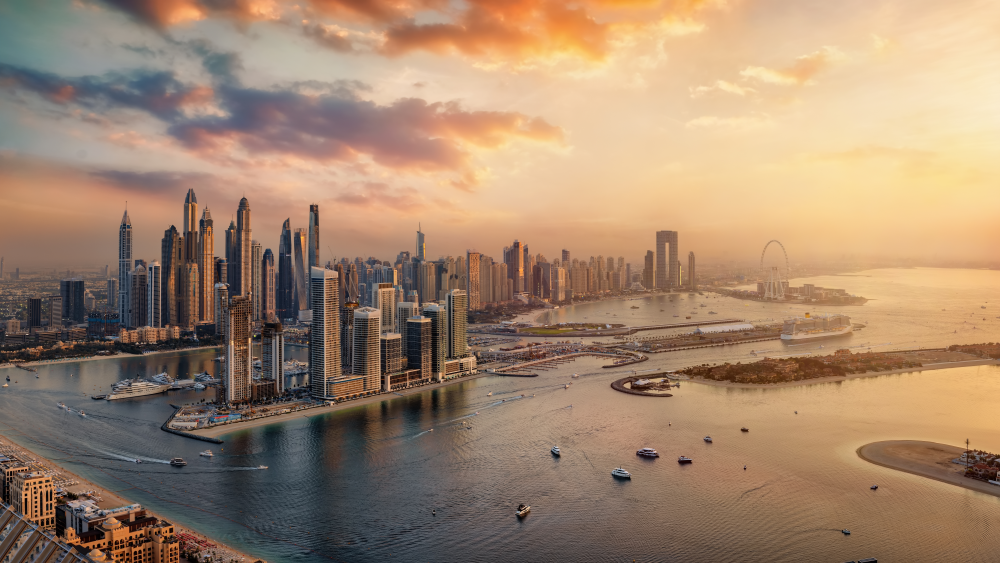
Is Dubai heading towards a real estate correction in 2026? What the data say
Population Growth Drives Real Demand
Dubai’s population passed 4.04 million in early 2026, adding over 208,000 people in 2025 alone. The city aims for 5.8 million by 2040. This growth comes from long-term residents: professionals, business owners, and families attracted by the Golden Visa, zero income tax, and political stability.
For luxury properties, this means quality tenants and buyers with real purchasing power, including over 6,700 millionaires who’ve moved to Dubai recently.
Diverse Economy: Not Just Oil Anymore
With 4.5% GDP growth projected for 2026, Dubai’s economy runs on finance, logistics, and tourism, not oil. These sectors keep people employed and able to afford rent in premium areas.
Price Trends: Growth Without the Crash
After the 2022–2024 boom, the market is settling into what experts call “healthy growth”, steady increases instead of wild swings. Dubai’s 2025 sales hit AED 680 billion across 186,000 transactions.
Villas & Townhouses in Dubai
Villa supply stays tight, with few new projects in established areas like Al Barari, Emirates Hills, and Arabian Ranches. Prime villa communities should see 15–20% price growth in 2026, pushed by families looking for permanent homes. Areas like Palm Jumeirah, Dubai Hills Estate, and Jumeirah Golf Estates keep going up in value because of waterfront scarcity and careful inventory management.
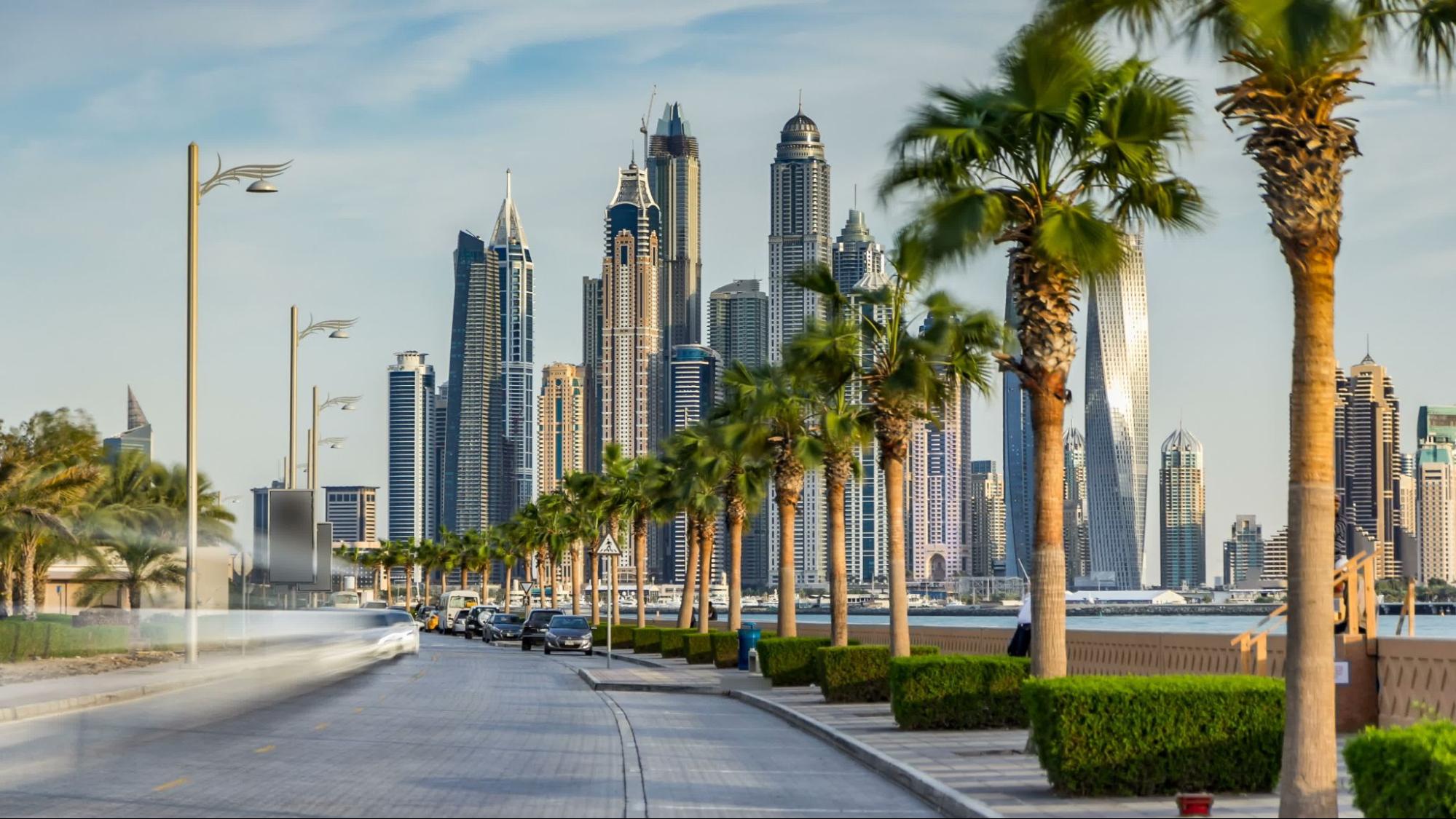
Luxury Residences trend: Quality Beats Quantity
While many apartments are being built, premium towers in Business Bay, Downtown, and Dubai Marina stay over 80% full with rental returns of 5.8–7.2%: double what you’d get in London or Paris. Most new supply is mid-range suburban stock, leaving luxury areas undersupplied and stable.
Infrastructure Boost: The Metro Blue Line
The Metro Blue Line scheduled to launch on September 9, 2029, is 30% done and transforming access across Dubai Creek Harbour, Silicon Oasis, and International City. Property values in these transit zones could jump 25%.
For luxury investors, better transport to business hubs (DIFC, Airport, Expo) makes premium neighborhoods even more attractive to professional tenants.
Rental Returns: Luxury Delivers Results
Dubai’s luxury market offers serious returns plus long-term value protection. The city has some of the world’s highest rental yields, averaging 6.76% for new leases.
Best Luxury Areas for Returns (2026)
| Community | Avg. Rental Yield | What You Get |
|---|---|---|
| Business Bay | 6.74%* | Luxury high-rises near the financial district |
| Downtown Dubai | 5.80% | Iconic addresses; global buyers |
| Dubai Marina | 6.2% | Waterfront lifestyle; tourist appeal |
| Palm Jumeirah (Villas) | ~4.9% | Better price growth (8–12% per year) |
*Data from Property Monitor
Ultra-prime villas have lower yields but better price appreciation: some areas like Palm Jumeirah and Emirates Hills grew 94% since 2020.
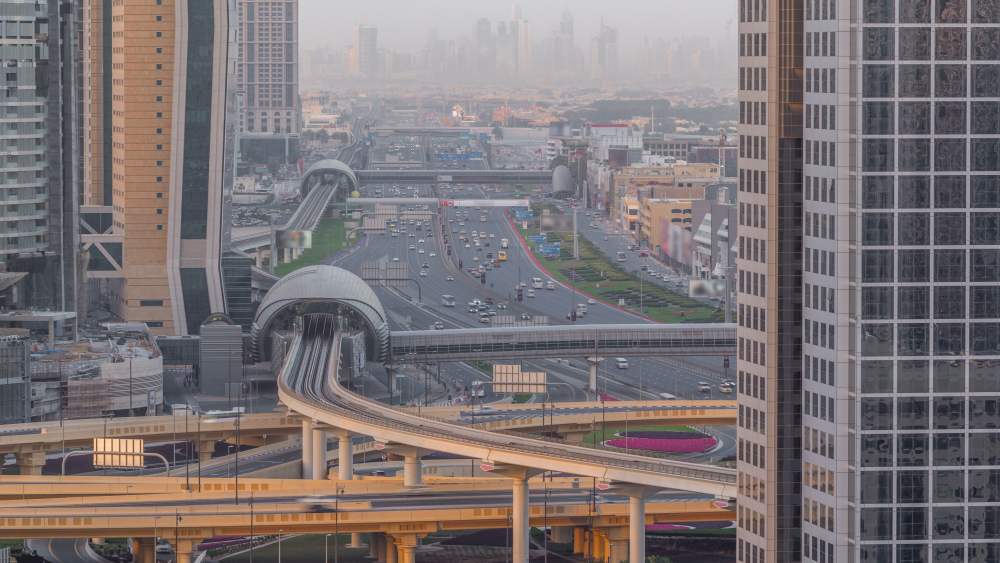
The Golden Visa in Dubai
The 10-year Golden Visa, available with AED 2M in property (including some mortgaged purchases) changed who’s buying. Today’s buyers are residents building permanent lives, not quick-flip speculators.
This creates lasting demand, cuts volatility, and keeps occupancy high in luxury buildings. Wealthy individuals seeking safety, privacy, and tax benefits continue driving premium sales.
Vision 2040: Dubai’s Long-Term Plan
The Dubai 2040 Urban Master Plan aims for a “20-minute city” where 80% of daily needs are walkable or bikeable. Five main centers drive this:
- Downtown & Business Bay – Finance hub
- Dubai Marina & JBR – Tourism and entertainment
- Dubai Silicon Oasis – Tech and innovation
- Deira & Bur Dubai – Heritage and tradition
- Expo 2020 District – Logistics and affordable housing
For luxury buyers, this means new developments include shops, restaurants, and green spaces as standard, better lifestyle and resale value.
Branded Residences: The Ultimate Luxury
Dubai leads the world in Branded Residences with nearly 140 active projects—more than anywhere else. This sector should grow 80% by 2030, possibly hitting 250 projects. In 2026, these properties attract ultra-wealthy buyers from unstable regions, offering:
- Hotel-level service with concierge and amenities
- Better resale prices—15–25% premiums over regular luxury
- Limited supply with controlled releases and 80%+ occupancy
Major 2026 completions include Address Residences The Bay and St. Regis Residences Downtown, both tracking construction openly to maintain buyer confidence. Projects like Lumena Alta by Omniyat blend hospitality, wellness, and work spaces into complete luxury neighborhoods.
Mavrix specializes in accessing these exclusive branded residences, pre-sold projects where waiting lists control availability.
What to Watch: Smart Risk Management
Even in a strong market, keep monitoring:
- Mid-Market Oversupply – Skip suburban projects without good transport or amenities; supply issues stay localized.
- Developer Track Record – Stick with proven names (Emaar, Nakheel, Sobha, Omniyat) for on-time, quality delivery.
- Interest Rates – The Dirham follows the US Dollar, so Fed decisions affect mortgage costs, though luxury buyers often pay cash.
Historically, only 55–60% of forecast projects finish on time due to delays and funding issues, which actually reduces oversupply risk.
Buying Dubai luxury in 2026 is wealth protection. While cheaper areas might see temporary slowdowns, the premium segment stays undersupplied, pre-sold, and protected from correction.
With 6–7% returns (versus under 3% in European capitals), Golden Visa demand, and world-class infrastructure, Dubai’s luxury market offers the best risk-adjusted returns globally. The city recorded AED 686.8 billion in sales across 215,700 deals in 2025, proving market depth and maturity.